
The Allure of Chance and Risk
The psychology of casino gambling is deeply intertwined with the allure of risk and chance. Many individuals are drawn to the excitement of not knowing the outcome, which creates a unique adrenaline rush. This unpredictability not only heightens the thrill of playing but also encourages a sense of hope that fortune could favor them at any moment. As you consider different gaming options, exploring payid casinos might also provide additional insights into safe betting practices. The psychological stimulation derived from this anticipation is a major factor in why people engage in gambling activities.
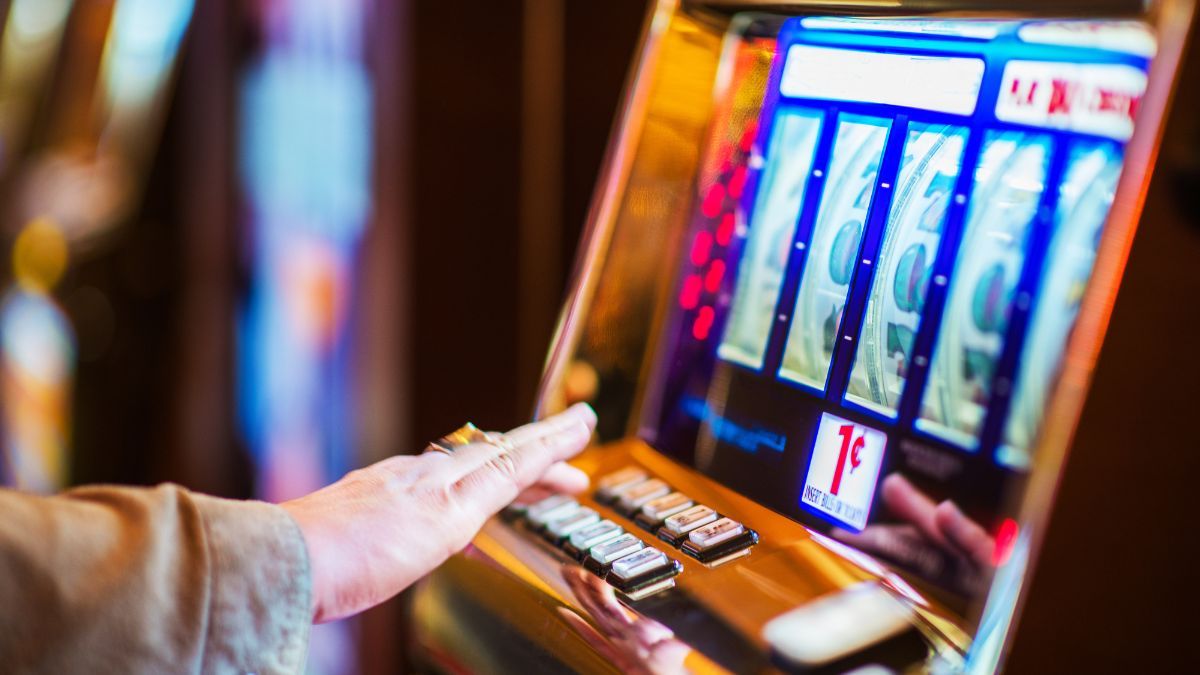
Moreover, the possibility of winning big can lead to a euphoric response in the brain, akin to the reward pathways activated by other pleasurable activities. This rush can easily become addictive, as players seek to replicate the joy experienced during those moments of winning, driving them to gamble more frequently despite the risks involved.
The Role of Escapism
For many, gambling serves as a form of escapism from the stresses of daily life. The loud noises, bright lights, and engaging atmosphere of a casino create a sensory overload that allows individuals to forget their worries. This temporary escape can be therapeutic, providing a distraction from reality and a chance to immerse oneself in a world of excitement and possibility.
Additionally, the social aspects of gambling contribute to its allure. Casinos often foster an environment where individuals can gather, share experiences, and bond over their shared hopes of winning. This sense of community can be incredibly appealing, especially for those who might feel isolated in their everyday lives.
The Influence of Cognitive Biases
Cognitive biases play a significant role in how gamblers perceive their chances of winning. Many individuals fall into the trap of the “gambler’s fallacy,” believing that past results influence future outcomes. For example, after a series of losses, players might think that a win is “due,” leading them to continue playing in hopes of finally hitting the jackpot. This distortion of reality can result in poor decision-making and increased gambling frequency.
Moreover, the phenomenon of selective memory often leads gamblers to recall their wins more vividly than their losses, further reinforcing the belief that they are on the verge of a big win. These cognitive distortions can make it challenging for individuals to recognize the risks involved in gambling, contributing to a cycle of continuous play.
Understanding Problem Gambling
While many people enjoy gambling responsibly, for some, it can lead to severe consequences. Problem gambling is characterized by compulsive behavior that disrupts one’s life, relationships, and finances. Psychological factors, including anxiety, depression, and low self-esteem, often exacerbate this condition, leading individuals to use gambling as a coping mechanism.
Recognizing the signs of problem gambling is crucial for those affected, as it allows for timely intervention and support. Awareness and education around responsible gambling practices can help mitigate the risks and improve the overall gambling experience for individuals who love to play.

Best PayID Casinos: Your Trusted Gaming Resource
At Best PayID Casinos, we understand the intricate relationship between psychology and gambling. Our platform offers a curated list of top-rated PayID casinos, ensuring not only a safe and enjoyable gaming experience but also providing insights into responsible gambling practices. We believe that enhancing your knowledge about gambling can lead to more informed choices.
Explore our detailed reviews and user insights to find the best platforms suited to your gaming needs. We are dedicated to helping you navigate the world of online gambling while ensuring that your experience is secure and fulfilling.